Автоновинки
Causes of frost in the freezer and how to prevent it
- 27.02.2026
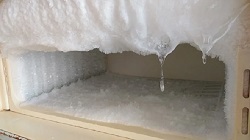 Frost forms in the freezer when moisture regularly gets inside, then settles and freezes on the coldest surfaces.
As a result, the ice layer gradually builds up, impairing air circulation, reducing usable volume, and increasing energy consumption.
Ice itself is not an "unavoidable norm," but a sign of specific operating conditions or malfunctions. Understanding the causes helps not only remove frost but also prevent its recurrence with appliance repair fridge.
What to do to prevent frost from building up
- Check that the door closes tightly and that no drawers or food are obstructing it.
- Regularly clean the seal and ensure it is elastic.
- Do not place warm foods in the freezer without first cooling them.
- Reduce the time the door is open: choose what you need to remove in advance.
- If frost buildup is severe, defrost completely and remove any water.
- If frost quickly returns, there is likely a component malfunction, and appliance repair services may be required.
Important: persistent and rapid frost formation after defrosting often indicates a problem with the A door seal or automatic defrost system. In such cases, eliminating the cause is more effective than regularly clearing the ice manually.
Warm, Moist Air Enters When Opening the Door: How Frequency and Duration Affect Frosting
Every time you open the freezer, warm, moist air enters. Upon contact with the cold walls and evaporator, the moisture quickly condenses and then freezes, turning into a layer of frost and ice.
The more often and longer the door is left open, the more moist air enters, and the more water turns into ice. Temperature control also suffers: the compressor has to work longer, and freezing accelerates.
How frequency and duration of openings increase freezing
- Frequent short openings create a regular influx of moisture and "build up" frost in small, but constant portions.
- Infrequent but long openings lead to a sudden influx of a large volume of moist air and a more noticeable increase in freezing at one time.
- Searching for food with the door open is especially harmful: the chamber has time to absorb maximum moisture, and the food warms up, increasing the cooling load.
- Placing warm food in further increases the amount of moisture inside: some of it evaporates and then freezes on cold surfaces.
- A loosely closed door simulates constant "opening": moist air flows in continuously, and frost builds up faster. Total.
Bottom line: Freezer frost is largely caused by the influx of moist air when the door is opened. Reducing the frequency and time of door openings, quickly selecting foods, and controlling the tightness of the closure directly reduce the amount of moisture that turns into ice and slow down the freezing process.